
TLDR: Life is unpredictable, but that doesn’t mean we should abandon our efforts to live intentionally. Accepting that we don’t have full control can help us become adaptable and, ultimately, get more out of our days.
CAVEAT: Sometimes ‘Plan B’ doesn’t need to be a plan at all—sometimes it needs to be a perspective.
(As always, find your next step at the end!)
So much unnecessary frustration comes from fighting things that are out of our control.
Case in point: as I write this particular blog, I have nowhere to publish it. I’m unable to go into the sensitive details at this time, so suffice it to say that because of this current situation, I’ve spent the last few days quite frustrated.
And if you’ll allow me some further vaguery, this last week has also included two major life-changing events. One happy, one very unfortunately sad, both requiring an exceptional amount of last minute changes and additional physical and emotional work.
I’m (partially) revealing these details because this week has given me a very real example of what I’m about to discuss, and I hope it will be that for you as well.
Faced with three unexpected blows in rapid succession, a lot of people might say “You see? This is why all that planning you do is pointless.”
I’m going to be completely truthful here. For a few days, I started to wonder if those people might be right.
But, after allowing myself some time to sort through the complexity of my grief, I was able to reconnect with my core belief that:
Even (and especially) in the face of unpredictability, planning is valuable.
Planning is not a claim of control. It simply can’t be—we just do not have control over most things.
As it turned out last week, I had zero control over the two bigger things. And when it came to the third thing, I had only the amount of control that meant busting my butt to meet a deadline while trying to emotionally navigate the other two.
So if planning isn’t controlling, what is it?
Planning isn’t control. Planning is an act of intentionality.
Planning is something you do to keep moving yourself toward your desired outcomes to the best of your ability. Planning especially helps you make room for the things that require more than just a day’s work to bloom in your life.
And although no amount of planning can ‘solve’ unpredictability, it can help you account for some of it. You can anticipate obstacles and decide ahead of time how you’ll respond, which creates contingencies. This is conventional backup planning.
For example, any good caterer will tell you there’s a formula for making sure that all their event guests are fed, even when the number of guests may vary at the last minute. Or how your traffic savvy friend reliably gets where they need to go by always having a backup route planned.
But what about when the entire event is cancelled and you’ve got three hundred hors d’oeuvres already made? Or when the weather’s so bad, even the backup route is inaccessible?
That’s when your ‘Plan B’ needs to go from a plan to a perspective.
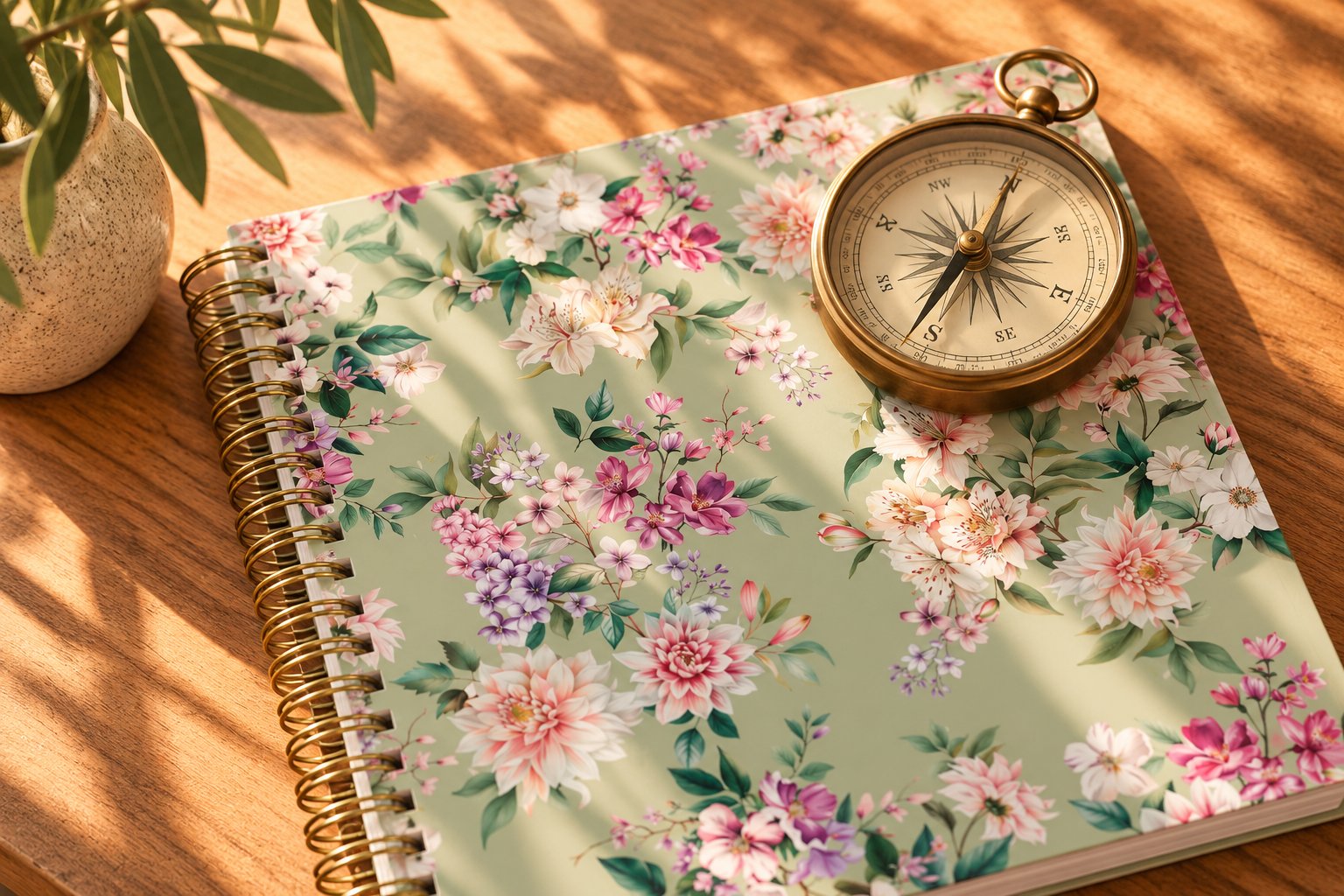
Planning is a tool. Perspective is a compass.
‘Plan B’ asks, “What else can I do in this situation to achieve the outcome I desired?”
Perspective asks, “How else can I look at this situation to recognize what I still want, even if it looks different from the original outcome?”
This isn’t about letting outside circumstances lower your expectations. Not at all—it’s actually the opposite. This is about expanding your expectations to see possibilities that exist in the current reality.
Sometimes we become so attached to the form we expected our desired outcome to take that we become blind to other possibilities.
By this, I don’t mean looking for the opportunity in every failure. I mean that sometimes we get so focused on the way things were supposed to look that our eyes can miss the fact that the desired outcome is actually still there—it’s just wearing a different outfit now.
For example, if you imagines that a beautiful home means high-end fixtures and designer furniture, you may feel disappointed if you learn that those things are out of your budget. That’s understandable—a Plan B perspective isn’t about pretending that everything’s fine.
But if you allow yourself to feel so disappointed that you start forgetting all about the natural light, great airflow, and kind neighbors your house already has, then you’ll create a situation in which you’ve become blind to something obvious: You still have a beautiful home.
The same could be said for unexpected setbacks in business, hiccups in personal development, or backsliding on your health plan.
You hit a roadblock in your business plan. You still have the reason you started your business in the first place.
You fall short on a personal goal. You still have all the progress you have made.
You experience a setback in your health journey. You still have all the healthy choices you did make.
All of those things still count.
None of your progress disappears just because the outcome now looks different.
Those things are what you can start focusing on when you need to get your eyes in shape for a Plan B perspective.
That perspective can bring back the hope that you might have, for a moment, thought was lost.
You’re allowed to feel disappointed that things didn’t work out the way you’d originally planned—I certainly did.
But you can also choose to remain flexible with a Plan B. And when your Plan B looks like trying out an alternate perspective, you’re giving yourself the chance to identify the possibilities that still exist.
We don't plan because we expect life to go exactly how we imagine it. We plan because there are things we want, and we’re willing to acknowledge that they won’t happen by accident. Planning helps us move toward those things.
Sometimes that means conventional backup plans: finding another way to hit the same target.
Sometimes it means accepting that our circumstances, and the target, have changed.
But sometimes it means recognizing that what we wanted is still possible, even if the target looks a little different now.
We can’t control everything. But we can make thoughtful, intentional decisions about how we respond to life.
Remember:
Planning is a tool. Perspective is a compass. And neither requires knowing where the road will take you before you begin your journey.
HERE’S YOUR NEXT STEP:
Think of something in your life that isn't going according to plan.
Ask yourself:
What outcome was I originally hoping for?
What actually matters to me about that outcome?
Have I become attached to a particular way of achieving it?
What if I let go of that particular way? What possibilities might there be if I allowed the outcome to look different from what I originally imagined?
You don't have to make a new plan today. Just give yourself permission to consider that the way forward could look different from what you originally imagined.
P.S. You can’t plan for everything, but you can make everyday life a little easier to plan. Join my Systems Library for free resources that can help make your day-to-day easier to manage.